
Derma Roller Kenya (2026 Guide): If you’re searching for the best derma roller in Kenya for hair growth, beard thickness, or skin care, this comprehensive guide covers sizes, safe usage, and where to buy authentic ones.
If you’re in Kenya and looking to improve hair growth, beard thickness, or skin health, you’ve probably heard about derma rollers. But with so many options on Jumia, Baki, Jiji, and other stores, it can be confusing to know which one to buy, how to use it safely, and what size to choose.
This guide breaks everything down: from needle types and sizes to benefits, risks, and the best place to buy high-quality dermarollers in Kenya. By the end of this article, you’ll know exactly which dermaroller is right for you.

Tip: If you want to explore other hair growth tools in Kenya, check out our Hair Growth Products .
What is a Derma Roller?
A derma roller is a popular handheld device covered with tiny needles that create micro-injuries on your skin or scalp. These micro-injuries trigger collagen production and increase blood circulation, which can:
- Boost hair follicle activity
- Improve beard density
- Enhance skin health
- Increase absorption of topical treatments like Minoxidil
For high-quality derma rollers in Kenya, visit 0.5mm Dermaroller Product Link — ideal for hair and beard growth.
Why Use a Derma Roller in Kenya?
People in Kenya use dermarollers mainly for cosmetic and medical reasons:
Dermaroller Uses in Kenya (Cosmetic)
- Boosts hair growth for people experiencing thinning or traction alopecia
- Enhances beard growth, ideal for patchy beards common in young Kenyan men
- Reduces acne scars, a major concern due to teenage acne and hormonal breakouts
- Smooths wrinkles and fine lines caused by sun exposure in Kenya’s hot climate
- Improves overall skin rejuvenation and elasticity
- Minimises enlarged pores, especially in oily skin types common in Kenya
- Fades hyperpigmentation and uneven skin tone
- Helps reduce melasma (with caution), often triggered by sunlight in equatorial regions
- Improves the appearance of stretch marks (hips, thighs, pregnancy marks)
- Reduces under-eye fine lines and crepey skin
- Helps with neck rejuvenation for aging skin
- Improves lip/smoker lines
- Mildly reduces cellulite
Boosts Hair Growth for People Experiencing Thinning or Traction Alopecia
A dermaroller is one of the most effective and affordable ways to stimulate hair growth, especially for Kenyans dealing with thinning hair or traction alopecia — a very common condition caused by tight hairstyles such as braids, weaves, cornrows, dreadlocks, and glued or sewn-in wigs. These styles put continuous tension on the hair follicles, leading to thinning edges, receding hairlines, and sometimes permanent loss if not treated early.
Microneedling with a dermaroller creates tiny controlled micro-injuries on the scalp. These micro-injuries trigger the body’s natural healing response, boosting blood flow, increasing collagen around the follicle, and activating dormant hair follicles. This process also dramatically improves the absorption of treatments like minoxidil, peppermint oil, rosemary oil, and medical serums — making them work faster and more effectively.
For genetic hair thinning (male or female pattern baldness), dermarolling helps slow shedding and encourages thicker, stronger regrowth. For traction alopecia, it helps repair damaged follicles, stimulate new growth along the hairline, and restore density when paired with reduced styling tension.
Used consistently, the dermaroller strengthens weak follicles, accelerates regrowth, and improves overall scalp health — making it a powerful tool for anyone experiencing hair loss in Kenya’s climate and hairstyling culture.

Traction alopecia before and after dermaroller and Minoxidil treatement
Recommended Needle Size for Hair Growth (Thinning or Traction Alopecia)
0.5 mm – Best for general scalp stimulation and improving minoxidil absorption
Frequency: 1–2 times per week
✅ Recommended for most users — safe, effective, minimal downtime
1.0 mm – Ideal for hairline, edges, and traction alopecia
Frequency: Once per week
Use carefully to avoid scalp irritation
1.5 mm – For severe thinning or bald patches
Frequency: Once every 2–3 weeks
Only use under professional supervision
Note: Longer needles (1.0 mm and above) require proper healing time. Starting with 0.5 mm is the safest and most effective approach for Kenyans experiencing thinning or traction alopecia.
What Results to Expect
1–2 months: Reduced shedding, improved scalp circulation
3 months: Early baby hairs, thicker hairline, stronger strands
4–6 months: Noticeable regrowth in thin areas
6–12 months: Major density improvement with consistent use
Dermarolling works slowly but steadily — and results are stronger when combined with minoxidil or a growth serum.
Using a dermaroller correctly can speed up results and reduce side effects.
Cautions for Dermarolling for Hair Growth for People Experiencing Thinning or Traction Alopecia
- Do not use on open wounds, infected scalp, or inflamed pimples/sores.
- Avoid heavy tension hairstyles (tight braids, weaves, dreadlocks, wigs) during treatment.
- Disinfect the dermaroller before and after each use to prevent infection.
- Avoid excessive pressure — let the needles do the work.
- Long needles (1.0 mm+) should not be used more than once a week.
- Avoid applying harsh chemicals or scalp treatments immediately after rolling (unless recommended for absorption).
- Protect scalp from sun exposure after dermarolling; freshly rolled skin is more sensitive.
- Stop immediately if redness, swelling, pain, or signs of infection appear.
How to Use a Dermaroller for Hair Growth for People Experiencing Thinning or Traction Alopecia (Step-by-Step)
- Disinfect the dermaroller using 70% isopropyl alcohol for 5–10 minutes.
- Part the hair to expose the thinning area.
- Roll the dermaroller gently:
- 10 times up and down
- 10 times side to side
- 10 times diagonally
- Avoid pressing too hard — let the needles do the work.
- After rolling, apply your treatment (e.g., minoxidil, peppermint oil, affordable hair growth serum).
- Disinfect the roller again and let it air dry.
Use 1–2 times per week depending on needle size.
Important Cautions
- Do not dermaroll over acne, cuts, open wounds, active scalp infections, boils, or painful bumps.
- Avoid applying minoxidil immediately after rolling with long needles (wait 10–20 min).
- Avoid using on freshly relaxed or chemically treated hair until the scalp has recovered.
- Avoid heavy tension hairstyles during treatment (braids, wigs, and weaves).
- Apply sunscreen if the scalp is exposed — Kenyan sun can irritate a freshly rolled area.
- Do not share your dermaroller with anyone – high risk of infection.
- If irritation or rash occurs, pause for a few days.
- Stop immediately if you see signs of infection (pus, severe redness, swelling).
- Avoid using harsh exfoliants (AHAs/BHAs) on the same day.
- Beard rolling may cause temporary redness — this is normal.
- If you have sensitive skin, start with 0.5 mm to reduce irritation.
Enhances Beard Growth, Ideal for Patchy Beards Common in Young Kenyan Men
Many young Kenyan men struggle with patchy or uneven beards due to genetics, age, hormone levels, or poor follicle activation along the jawline. A dermaroller is one of the most effective, science-backed tools for improving beard density, filling gaps, and stimulating new facial hair growth — without needing expensive treatments.
Microneedling works by creating tiny micro-injuries on the beard area. These activate the body’s repair system, boosting collagen production, increasing blood flow, and waking up dormant follicles. The result is thicker, darker, and more even beard growth over time.
A dermaroller also dramatically improves the absorption of beard-growth products such as minoxidil, peppermint oil, rosemary oil, and peptide-based serums. This makes them much more effective, especially for men who haven’t seen results using these products alone. For genetically slow beard growers, microneedling provides the “kick-start” needed to stimulate follicle activity.
Used consistently, a dermaroller can help fill in gaps on the cheeks, strengthen the jawline beard, and improve overall beard thickness — making it a powerful grooming tool for young Kenyan men seeking a fuller look.
Recommended Needle Size for Beard Growth
- 0.5 mm → Best for absorption of minoxidil and daily/weekly use
- 0.75 mm → Ideal for filling patchy areas and activating dormant follicles
- 1.0 mm → For very sparse beards or stubborn patches (use once weekly)
Shorter needles (0.5 mm) can be used more frequently; longer needles (0.75–1.0 mm) should be used only once a week.
What Results to Expect
4–6 weeks:
- Slight thickening
- More visible small hairs
- Reduced patchiness
8–12 weeks:
- Noticeable beard density
- Darker and thicker strands
- More hair filling the cheek and jawline gaps
4–6 months:
- Major transformation if combined with minoxidil
- Fuller beard appearance
- Stronger follicle growth
Results vary by genetics, but consistency is the biggest factor.
How to Use a Dermaroller for Beard Growth (Step-by-Step)
- Disinfect the dermaroller in 70% alcohol for 5–10 minutes.
- Wash your face and pat dry.
- Roll the dermaroller gently over the beard area:
- 10 times up and down
- 10 times side to side
- 10 times diagonally
- Do not press hard — allow the needles to penetrate naturally.
- Apply beard serum or minoxidil 5–10 minutes after rolling.
- Clean and sanitize the dermaroller again after use.
Use once or twice per week depending on needle size.
Cautions for Dermarolling for Beard Growth
- Do not use over active acne, inflamed pimples, or open cuts.
- Avoid applying minoxidil immediately after rolling with longer needles; wait 10–20 minutes.
- Always disinfect the dermaroller before and after use to prevent infection.
- Start with shorter needles (0.5 mm) if your skin is sensitive to reduce irritation.
- Avoid harsh chemical exfoliants (AHAs/BHAs) on the same day as dermarolling.
- Do not share your dermaroller with others.
- Temporary redness or mild irritation is normal; stop if you experience swelling, severe redness, or pus.
- Use appropriate needle lengths: longer needles (0.75–1.0 mm) should be used only once per week.
Reduces Acne Scars, a Major Concern Due to Teenage Acne and Hormonal Breakouts
Acne scarring is one of the most common skin concerns in Kenya, particularly among teenagers and young adults. Breakouts from hormonal changes, oily skin, or stress often leave behind pitted scars, boxcar scars, and rolling scars, which can affect self-confidence and make the skin appear uneven or dull. A dermaroller offers an effective, non-invasive solution to reduce the appearance of these scars and improve overall skin texture.
Microneedling works by creating controlled micro-injuries in the skin. These tiny channels stimulate the body’s natural healing process, promoting collagen and elastin production, which gradually fills in acne scars and smooths the skin’s surface. Additionally, dermarolling enhances the absorption of serums and topical treatments, such as vitamin C, hyaluronic acid, retinoids, and specialized scar gels, improving their effectiveness.
Consistent dermarolling can transform scarred or uneven skin, reduce the depth and visibility of pitted acne scars, and restore a healthier, smoother complexion — particularly beneficial in Kenya, where hot climates and sun exposure can worsen pigmentation in scarred areas.
How to Use a Dermaroller for Acne Scars (Step-by-Step)
- Disinfect the dermaroller using 70% isopropyl alcohol for 5–10 minutes.
- Cleanse the face thoroughly to remove dirt and oils.
- Roll the dermaroller gently over the scarred areas:
- 10 times vertically
- 10 times horizontally
- 10 times diagonally
- Avoid pressing too hard — light, even pressure is sufficient.
- Apply scar serums, vitamin C, or hyaluronic acid immediately after rolling.
- Clean the dermaroller and allow it to dry completely before storage.
Frequency: 1–2 times per week for 0.25–0.5 mm needles; 1–2 times per month for 1–1.5 mm needles.
Recommended Needle Size for Acne Scars
- 0.25–0.5 mm → For mild scars and enhancing product absorption
- 1.0–1.5 mm → For moderate to deep acne scars (used only once every 2–3 weeks)
- 2.0 mm → For very deep scars (usually performed by professionals, not at home)
Longer needles require more caution and should not be used more than once every 2–3 weeks.
What Results to Expect
1–2 months:
- Skin texture starts to improve
- Reduced redness and mild flattening of shallow scars
3–4 months:
- Noticeable softening of medium scars
- Improved skin smoothness
- Reduced pore visibility
6 months and beyond:
- Significant reduction in scar depth
- More even skin tone
- Enhanced skin resilience
Consistency and combining dermarolling with scar serums dramatically improve results.
Cautions for Dermarolling Acne Scars
- Do not roll over active acne, inflamed pimples, or open wounds — this can spread bacteria and worsen breakouts.
- Start with shorter needles (0.25–0.5 mm) if you have sensitive or irritated skin.
- Longer needles (1.0 mm+) should be used only once every 2–3 weeks.
- Avoid chemical exfoliants (AHAs, BHAs) on the same day as dermarolling.
- Always disinfect the dermaroller before and after use.
- Protect your skin from sun exposure post-rolling; freshly rolled skin is more sensitive to UV damage.
- Stop if you notice excessive redness, swelling, pus, or signs of infection.
- Avoid applying harsh or irritating products immediately after dermarolling unless they are recommended for post-microneedling use.
Smooths Wrinkles and Fine Lines Caused by Sun Exposure in Kenya’s Hot Climate
Wrinkles and fine lines are a common concern in Kenya, largely driven by chronic sun exposure at the ever sunny equator where our fine country lies. Even though African skin contains more melanin and is naturally more resistant to UV damage, it is not immune to photo-aging.
High UV levels break down collagen and elastin in the skin, which leads to fine lines, sagging, and loss of skin elasticity over time. Unlike lighter skin, dark skin may show aging more subtly, often through uneven texture or pigmentation changes, rather than pronounced early wrinkles.
UV Exposure in Key Kenyan Cities
Different regions experience peak UV levels at different times of the year:
- Nairobi: February–April and September–October (UV index ~15–16)
- Mombasa: January–April (UV index up to ~15), with extreme levels persisting year-round due to coastal sun
- Machakos: January–April (UV peaks ~15–17), remaining high for much of the year
- Eldoret: Midday UV can be very high, with peak months generally aligned with January–April
During these months, the skin experiences intense UV stress, accelerating collagen breakdown and contributing to fine lines. Even cloudier or cooler seasons still expose skin to significant UV, meaning damage accumulates year-round if proper sun protection isn’t used.
How Dermarollers Help with Wrinkles and Fine Lines
Dermarollers, or microneedling devices, work by creating tiny microchannels in the skin, triggering the body’s natural repair process. This stimulates collagen and elastin production, which gradually plumps the skin, smooths fine lines, and improves texture. Additionally, microneedling enhances the absorption of anti-aging products like vitamin C, hyaluronic acid, peptides, and retinoids, making topical treatments more effective.
By combining dermarolling with daily sun protection, Kenyans can counteract the cumulative effects of UV exposure, slowing and even partially reversing visible signs of aging.
Recommended dermaroller needle sizes and frequency to treat wrinkles and fine lines
- 0.25–0.3 mm: For delicate areas (under eyes, lips) — 1–2 times per week
- 0.5 mm: Forehead, cheeks, fine lines — 1–2 times per week
- 1.0 mm: Deeper wrinkles — use once every 2–3 weeks (best performed carefully or by a professional)
How to Use a Dermaroller for Wrinkles and Fine Lines (Step-by-Step)
Disinfect the dermaroller using 70% isopropyl alcohol for 5–10 minutes.
Cleanse the face thoroughly to remove dirt, oils, and sunscreen.
Roll the dermaroller gently over wrinkle-prone areas (forehead, around the eyes, cheeks, upper lip):
- 8–10 times vertically
- 8–10 times horizontally
- 8–10 times diagonally
Avoid pressing too hard — light, even pressure is sufficient.
Apply anti-aging serums such as Vitamin C, hyaluronic acid, peptides, or niacinamide immediately after rolling.
Follow with a hydrating moisturizer and broad-spectrum sunscreen during the day.
Clean the dermaroller and allow it to dry completely before storage.
Dermaroller needle size for wrinkles and fine lines
0.25–0.5 mm for fine lines; 0.5–1.0 mm for deeper wrinkles (advanced users).
Expected Results
- 1–2 months: Skin feels smoother; mild plumping of fine lines
- 3–4 months: Noticeable reduction in fine lines; improved elasticity and texture
- 6 months+: Significant smoothing of wrinkles, firmer skin, better absorption of anti-aging products
Cautions
- Avoid dermarolling over inflamed, broken, or irritated skin
- Always disinfect the dermaroller before and after use
- Avoid harsh exfoliants or chemical peels on the same day
- Apply sunscreen daily, especially during peak UV months
- Stop if redness, swelling, or infection occurs
Improves Overall Skin Rejuvenation and Elasticity
Dermarolling isn’t just for wrinkles — it’s a powerful tool for overall skin rejuvenation. By creating tiny microchannels, it stimulates collagen and elastin production, which improves firmness, texture, and elasticity. This helps your skin look healthier, plumper, and more youthful, even in areas not yet affected by fine lines or sagging.
For Kenyans, high UV exposure, hot and dry conditions, and sun-stressed skin can accelerate aging, leaving the face dull, uneven, or slightly sagging. Over time, this can contribute to wrinkles, fine lines, and crepey skin — a thin, loose, and wrinkled texture, often most noticeable around the eyes, cheeks, and neck. Dermarolling helps revitalize sun-damaged skin, smooth rough patches, improve elasticity, and restore a natural glow.
Additionally, the microchannels created by dermarolling enhance absorption of skincare products, such as hydrating serums, antioxidants, and collagen-boosting creams, making your daily routine more effective and synergistic with treatment.
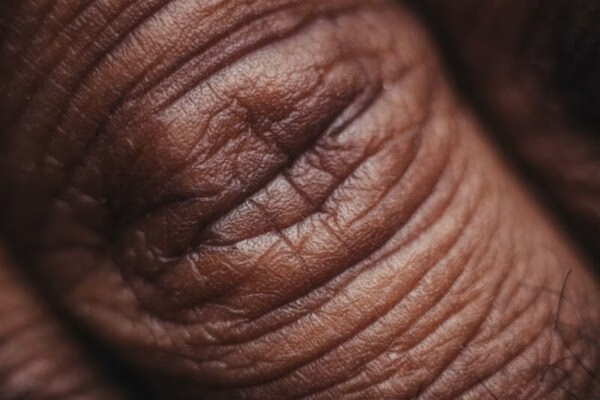
Image of crepey skin
Recommended dermaroller needle sizes to improve overall skin rejuvenation and elasticity. Also to reduce under eye fine lines and crepey skin
- 0.25–0.3 mm: Ideal for delicate areas (under eyes, lips, cheeks) for general rejuvenation, can be used 1–2 times per week.
- 0.5 mm: For larger areas of the face or neck requiring deeper stimulation, 1–2 times per week.
- 1.0 mm: For deeper lines or sagging skin, use once every 2–3 weeks, preferably under professional supervision.
Step-by-step usage
- Cleanse thoroughly to remove dirt, sweat, and makeup.
- Disinfect the dermaroller in 70% isopropyl alcohol for 5–10 minutes.
- Roll gently over the face and neck in multiple directions:
- Vertical, horizontal, and diagonal passes (about 10 times each).
- Apply a hydrating serum or antioxidant immediately after rolling to enhance absorption (e.g., vitamin C, peptides, hyaluronic acid).
- Moisturize with a gentle, non-comedogenic cream to lock in hydration.
- Always follow with broad-spectrum sunscreen before going outdoors, especially in Kenya’s high-UV climate.
- Clean and store the dermaroller properly after use.
Cautions When Combining Products with Dermarolling
- Avoid harsh or new products immediately after rolling, as microchannels make skin more sensitive.
- Patch test serums or antioxidants to prevent irritation or allergic reactions.
- Use sunscreen every day after dermarolling, even if indoors or cloudy — freshly treated skin is more vulnerable to UV.
Minimises Enlarged Pores, Especially in Oily Skin Types Common in Kenya
Enlarged pores are a common concern in Kenya, particularly for individuals with oily or combination skin, as excess sebum and sweat can make pores more noticeable. Dermarolling helps stimulate collagen production around pore walls, tightening and firming the skin, which reduces pore size over time. The microchannels created during microneedling also enhance absorption of pore-refining serums, such as niacinamide, salicylic acid, or retinol, which regulate oil production and smooth skin texture. With consistent use, pores appear smaller, skin looks smoother, and the complexion becomes more even and rejuvenated.
Dermaroller needle sizes to minimise enlarged pores
- 0.25–0.3 mm: Ideal for regular maintenance of oily skin and refining small to medium pores
- 0.5 mm: For larger pores or areas with significant oil buildup, use less frequently (1–2 times per week)
- Avoid longer needles (>1.0 mm) on large areas of oily skin unless guided by a professional
How to Use dermaroller to minimise enlarged pores
- Cleanse skin thoroughly to remove oil, dirt, and makeup.
- Disinfect the dermaroller in 70% isopropyl alcohol for 5–10 minutes.
- Roll gently over the affected areas:
- 10 times vertically
- 10 times horizontally
- 10 times diagonally
- Apply pore-refining serums (niacinamide, salicylic acid, retinol) immediately after rolling for maximum absorption.
- Follow with a lightweight, non-comedogenic moisturizer and sunscreen if going outdoors.
- Clean the dermaroller and let it air dry before storing.
Frequency: 1–2 times per week for 0.25–0.5 mm needles; longer needles less often or under professional supervision.
Cautions
- Avoid dermarolling over inflamed acne, broken skin, or active infections, as this can worsen irritation.
- Do not use harsh exfoliants or chemical peels on the same day.
- Patch test new serums before applying post-dermarolling to prevent irritation.
- Always apply sunscreen daily, as newly treated skin is more vulnerable to UV damage.
- Use gentle pressure — pressing too hard can damage skin or make pores worse.
Fades Hyperpigmentation and Uneven Skin Tone
Hyperpigmentation and uneven skin tone are common concerns in Kenya, often caused by sun exposure, hormonal changes, post-acne marks, or melasma. Even though darker, melanin-rich skin provides some natural protection, chronic UV exposure and inflammation can still trigger excess melanin production, leading to dark spots and patchy skin.
Dermarolling helps by creating microchannels in the skin, which stimulate collagen and elastin production and promote skin regeneration. This process encourages faster turnover of pigmented cells, gradually lightening dark spots and evening out the skin tone. Microneedling also enhances the absorption of topical brightening agents such as niacinamide, vitamin C, azelaic acid, or mild hydroquinone alternatives, making treatments more effective than topical application alone.
Regular sessions can lead to smoother, brighter, and more uniform skin, reducing the appearance of post-acne marks, sunspots, and mild melasma, while giving the skin a rejuvenated glow.
Dermaroller needle sizes to fade hyperpigmentation
- 0.25 mm: For sensitive areas and mild pigmentation (can be used 1–2 times per week)
- 0.5 mm: For larger areas or deeper pigmentation (1–2 times per week)
- 1.0 mm: Only for stubborn pigmentation, ideally under professional supervision, once every 2–3 weeks
How to use dermaroller to fade hyperpigmentation and uneven skin tone
- Cleanse the skin thoroughly to remove oil, dirt, or makeup.
- Disinfect the dermaroller in 70% isopropyl alcohol for 5–10 minutes.
- Roll gently over pigmented areas vertically, horizontally, and diagonally (~10 passes each).
- Apply brightening serums or moisturizers immediately after rolling to enhance absorption.
- Always finish with sunscreen, as treated skin is more sensitive to UV and prone to further pigmentation.
Cautions
- Avoid rolling over inflamed, active acne, or broken skin.
- Patch test any brightening serum before first use to prevent irritation.
- Do not combine with strong chemical peels or harsh exfoliants on the same day.
- Sun protection is mandatory post-treatment to prevent worsening pigmentation.
Helps Reduce Melasma (With Caution)
Melasma is a common pigment disorder in equatorial regions like Kenya, often appearing as dark patches on the cheeks, forehead, or upper lip, and is primarily triggered by prolonged sun exposure, hormonal changes, or genetic predisposition. While African skin contains more melanin, which provides some UV protection, melasma can still develop and worsen under strong UV conditions, especially during peak months (January–April and September–October in Nairobi, Mombasa, Machakos, and Eldoret).
Dermarolling can be an effective adjunct treatment for melasma because the microchannels stimulate collagen and elastin production, promote skin regeneration, and enhance the penetration of topical brightening agents like niacinamide, vitamin C, azelaic acid, or tranexamic acid. This helps lighten hyperpigmented patches gradually and improves overall skin tone.
However, melasma is sensitive to trauma and inflammation, and microneedling can sometimes worsen pigmentation if overused or improperly performed. For this reason, melasma treatment with dermarollers should be done cautiously, using shorter needles and limited frequency, and always combined with strict sun protection to prevent recurrence.
Dermaroller needle sizes to reduce melasma
- 0.25–0.3 mm: Safe for melasma-prone areas, can be used once per week
- 0.5 mm: For deeper pigmentation, use once every 2 weeks
- Avoid needles >0.5 mm on melasma, as deeper trauma may trigger post-inflammatory hyperpigmentation
How to use derma roller to reduce melasma
- Cleanse the skin thoroughly and disinfect the dermaroller.
- Roll gently in vertical, horizontal, and diagonal directions — minimal pressure.
- Apply gentle brightening serums immediately after rolling. Avoid strong acids or retinoids on the same day.
- Moisturize to support barrier repair.
- Apply broad-spectrum sunscreen diligently; sun exposure is the primary trigger of melasma.
Cautions
- Avoid rolling over inflamed or broken skin.
- Do not overuse; excessive microneedling can worsen pigmentation.
- Avoid combining with harsh chemical peels or strong exfoliants immediately.
- Always use sunscreen to prevent new pigmentation.
Improves the Appearance of Stretch Marks (Hips, Thighs, Pregnancy Marks)
Stretch marks, also known as striae, are a common concern on the hips, thighs, abdomen, and breasts, often resulting from rapid weight gain, pregnancy, or growth spurts. In Kenya, many women experience pregnancy-related stretch marks, while young adults may develop them from growth or weight changes. Dermarolling helps stimulate collagen and elastin production in the affected skin, improving elasticity and gradually reducing the appearance of stretch marks. Over time, the skin becomes firmer, smoother, and more even in texture.
Microneedling is particularly effective when combined with topical treatments that enhance skin repair and hydration. Products like Bio-Oil, rosehip oil, vitamin E oil, or hyaluronic acid serums penetrate deeper through the microchannels created by dermarolling, maximizing their effectiveness.
Dermaroller needle sizes for stretch marks
- 0.5 mm: Ideal for mild to moderate stretch marks; use once every 1–2 weeks
- 1.0 mm: For older or deeper stretch marks; use once every 3–4 weeks and preferably under professional supervision
- Avoid needles >1.5 mm at home, as they can cause trauma without professional guidance
How to Use derma roller to improve the appearance of stretch marks
- Cleanse the skin thoroughly and disinfect the dermaroller.
- Roll gently over the stretch-marked areas:
- Vertical, horizontal, and diagonal passes (10 times each direction).
- Apply a nourishing oil or serum immediately after rolling (e.g., Bio-Oil, rosehip oil, or hyaluronic acid).
- Massage gently to help the product absorb into the microchannels.
- Moisturize if needed to maintain hydration.
- Frequency: 0.5 mm needles weekly; 1.0 mm needles every 3–4 weeks.
Cautions
- Avoid dermarolling inflamed, broken, or irritated skin.
- Start with shorter needles if skin is sensitive or new to microneedling.
- Patch test oils and serums to prevent irritation.
- Sun protection is less critical for stretch marks, but if on areas exposed to sunlight (like thighs), apply sunscreen post-treatment.
- Stop if excessive redness, pain, or irritation occurs.
Helps with Neck Rejuvenation for Aging Skin
The neck is often one of the first areas to show signs of aging, including fine lines, sagging, crepey skin, and uneven texture. In Kenya, chronic sun exposure, pollution, and environmental stress can accelerate these changes, even in darker skin tones. Dermarolling helps by creating tiny microchannels in the skin, which stimulate collagen and elastin production, improving firmness and elasticity while promoting skin regeneration. This leads to a smoother, tighter, and more youthful-looking neck over time.
Microneedling can also enhance the absorption of hydrating or anti-aging serums, such as hyaluronic acid, peptides, or vitamin C, making treatments more effective and improving overall skin tone and texture in the neck area.
Dermaroller needle sizes for neck rejuvenation
- 0.25–0.5 mm: Ideal for general neck rejuvenation and fine lines; use 1–2 times per week
- 0.5–1.0 mm: For deeper wrinkles or sagging skin; use once every 2–3 weeks, preferably under professional guidance
- Avoid needles >1.0 mm at home to prevent injury
How to use dermaroller for neck rejuvenation
- Cleanse the neck thoroughly and disinfect the dermaroller with isopropyl alcohol.
- Roll gently in vertical, horizontal, and diagonal directions (10 passes each).
- Apply a hydrating or anti-aging serum immediately after rolling for maximum absorption.
- Moisturize to support skin barrier repair.
- Always apply broad-spectrum sunscreen if the neck is exposed to sunlight.
Cautions
- Avoid dermarolling over irritated, inflamed, or broken skin.
- Start with shorter needles if skin is sensitive or new to microneedling.
- Do not combine with harsh chemical peels or strong exfoliants on the same day.
- Avoid excessive pressure to prevent bruising or skin damage.
- Stop if pain, swelling, or prolonged redness occurs.
Improves Lip/Smoker Lines
Lip lines, often called smoker lines or perioral wrinkles, appear as fine vertical lines around the mouth. In Kenya, factors like sun exposure, aging, dehydration, and repetitive facial movements contribute to their formation, even in individuals who don’t smoke. Dermarolling helps by stimulating collagen and elastin production in the delicate skin around the lips, improving elasticity and reducing the appearance of these lines. It also enhances the absorption of anti-aging serums, such as hyaluronic acid or peptide-based treatments, which plump the area and smooth the skin.
Dermaroller needle sizes to improve lip lines
- 0.25–0.3 mm: Ideal for fine lines around the lips; use 1–2 times per week
- 0.5 mm: For deeper lines; use once every 2 weeks, preferably with careful technique
- Avoid needles >0.5 mm in this delicate area at home to prevent injury
How to Use dermaroller to improve lip lines
- Cleanse the skin around the lips thoroughly and disinfect the dermaroller.
- Roll gently in vertical, horizontal, and diagonal directions (5–10 passes each), using minimal pressure.
- Apply a hydrating or plumping serum (e.g., hyaluronic acid or peptides) immediately after rolling for better absorption.
- Moisturize to protect the skin barrier.
- Optional: Apply SPF if the area is exposed to sunlight.
Cautions
- Avoid dermarolling over active cold sores, broken skin, or irritation.
- Do not apply harsh chemical peels or strong exfoliants immediately afterward.
- Use light pressure; excessive force can cause bruising or damage.
- Stop treatment if swelling, redness, or pain occurs.
Mildly Reduces Cellulite
Cellulite, the dimpled skin appearance often found on the thighs, hips, and buttocks, is common among women in Kenya and worldwide. It is caused by fat deposits pushing through connective tissue, sometimes worsened by genetics, lifestyle, or aging. Dermarolling can mildly improve the appearance of cellulite by stimulating collagen and elastin production, which tightens and firms the skin. The microchannels also enhance the absorption of firming creams, caffeine-based products, or hydrating oils, which may further improve skin texture.
While dermarolling cannot fully eliminate cellulite, regular treatments can lead to smoother, firmer-looking skin, especially when combined with hydration, exercise, and topical treatments.
Dermaroller needle sizes to reduce cellulite
- 0.5–1.0 mm: Suitable for most areas with mild cellulite; use once per week
- 1.0 mm: For deeper dimpling; use once every 2–3 weeks
- Avoid needles >1.5 mm at home to prevent bruising or injury
How to Use dermaroller to reduce cellulite
- Cleanse the target area thoroughly and disinfect the dermaroller.
- Roll gently in multiple directions (vertical, horizontal, diagonal) over the affected areas, 10 passes each.
- Apply a firming cream, caffeine-based serum, or oil immediately after rolling to boost absorption.
- Massage gently to help the product penetrate the skin.
- Frequency: 0.5 mm needles weekly; 1.0 mm needles every 2–3 weeks.
Cautions
- Avoid dermarolling over inflamed, broken, or varicose skin.
- Do not apply harsh chemical treatments immediately after rolling.
- Use gentle pressure; excessive force can cause bruising or irritation.
- Stop treatment if pain, redness, or swelling occurs.
Dermaroller Uses in Kenya (Medical / Adjunct)
- Supports treatment of alopecia areata
- Assists in vitiligo treatment when combined with phototherapy
- Improves the appearance of hypertrophic scars
- Enhances drug absorption, making treatments like minoxidil, vitamin C & retinoids more effective
- Supports improvement of mature burn scars
Supports Treatment of Alopecia Areata
Alopecia areata is an autoimmune condition that causes patchy hair loss on the scalp and sometimes other areas of the body. In Kenya, it can affect both men and women and may be triggered or worsened by stress, genetics, or environmental factors. Dermarolling can support treatment by stimulating blood flow to hair follicles and triggering collagen and growth factor production, which can improve follicle health and encourage hair regrowth.
Microneedling is often used in combination with topical hair growth treatments, such as Kirkland Minoxidil, to enhance absorption and effectiveness. Research shows that dermarolling plus topical treatments can yield better hair regrowth results than topical treatments alone.
While dermarolling can support hair regrowth in alopecia areata by stimulating follicles and enhancing topical treatment absorption, it cannot cure the condition. Results vary by individual, and for severe cases, medical therapies such as Litfulo may be prescribed. Litfulo works by modulating the autoimmune response that attacks hair follicles, helping to reduce inflammation and allow regrowth, while dermarolling may be considered only for mild regrowth or as an adjunct to safer topical treatments under a doctor’s supervision.
Needle sizes (to support alopecia areata treatment)
- 0.5 mm: Suitable for mild patchy hair loss; use once per week
- 1.0 mm: For more extensive areas; use once every 10–14 days
- Avoid needles >1.5 mm at home; longer needles should only be used by professionals
How to use dermaroller to support treatment of Alopecia Areata
- Clean the scalp thoroughly and disinfect the dermaroller.
- Roll gently over the affected areas in multiple directions (vertical, horizontal, diagonal), about 10 passes each.
- Apply topical hair treatments (e.g., minoxidil) immediately after rolling for enhanced absorption.
- Do not overuse — stick to recommended frequency to avoid irritation.
- Consistency is key; results may take several months to become visible.
Cautions / Limitations
- Dermarolling may support hair regrowth, but it cannot cure alopecia areata, as the underlying cause is autoimmune.
- Results vary by individual; some may see regrowth while others may see minimal improvement.
- Always combine with medical treatments (e.g., topical steroids, minoxidil) under a doctor’s supervision.
- Avoid over-rolling, which can irritate follicles and worsen shedding in some cases.
- Disinfect the dermaroller carefully to prevent scalp infections.
Assists in Vitiligo Treatment When Combined with Phototherapy
Vitiligo is an autoimmune condition that causes loss of skin pigmentation, resulting in white patches on various areas of the body. In Kenya, vitiligo can affect people of all skin types, and sun exposure without protection can worsen the contrast, making patches more noticeable. Dermarolling can support treatment by stimulating melanocyte activity and enhancing skin regeneration. When combined with phototherapy (narrowband UVB or targeted light therapy), microneedling can improve the penetration and effectiveness of topical repigmentation agents, such as tacrolimus or corticosteroid creams.
It’s important to note that dermarolling alone cannot cure vitiligo, and results vary significantly between individuals depending on patch location, disease duration, and immune activity. This approach is adjunctive, meaning it supports professional treatment rather than replacing it.
Dermaroller needle sizes in assisting vitiligo treatment
- 0.25–0.3 mm: Ideal for delicate areas and small patches; can be used 1–2 times per week in combination with topical therapies.
- 0.5 mm: For larger areas or stubborn patches; use once per week, preferably under medical guidance.
- Avoid needles >0.5 mm without supervision, as deeper trauma may worsen pigmentation or cause irritation.
How to use to assist in vitiligo treatment
- Cleanse the affected skin thoroughly and disinfect the dermaroller.
- Roll gently over the depigmented patches in vertical, horizontal, and diagonal directions (5–10 passes each).
- Apply topical repigmentation agents immediately after rolling to enhance absorption.
- Follow phototherapy sessions as directed by a dermatologist; do not substitute medical treatment.
- Moisturize to maintain skin barrier integrity and prevent irritation.
Cautions / Limitations
- Dermarolling cannot cure vitiligo; it only supports treatment when combined with phototherapy and topical therapies.
- Results vary depending on patch location, disease progression, and individual response.
- Avoid rolling over inflamed, infected, or broken skin.
- Sun protection is essential before and after treatment to prevent further depigmentation or damage.
- Always consult a dermatologist before starting dermarolling for vitiligo.
Improves the Appearance of Hypertrophic Scars
Hypertrophic scars are raised, thickened scars that form when the body produces too much collagen during wound healing. They commonly occur after cuts, burns, acne, surgery, or injuries, and are seen frequently in African skin due to a naturally stronger collagen response. Dermarolling can help flatten, soften, and fade hypertrophic scars by creating controlled micro-injuries that gradually reorganize excess collagen, stimulate balanced collagen production, and improve skin texture over time.
However, it is important to set realistic expectations: dermarolling does not completely remove hypertrophic scars, and results vary depending on scar age, depth, and location. It works best on mild to moderate hypertrophic scars, and improvement is gradual, often taking several months of consistent treatment.
Dermaroller needle sizes to improve the appearance of hypertrophic scars
- 1.0 mm: Recommended for mild hypertrophic scars (use every 2–3 weeks).
- 1.5 mm: For thicker or older hypertrophic scars; use every 3–4 weeks.
- 0.5 mm can be used between sessions to boost product absorption and support collagen remodeling.
- Avoid needles ≥2.0 mm at home; these should be used by dermatologists only.
How to Use to improve the appearance of hypertrophic scars
- Clean the skin thoroughly and disinfect the roller.
- Roll over the scar in vertical, horizontal, and diagonal directions, applying firm but not painful pressure.
- Perform 8–10 passes per direction.
- Apply silicone gel, vitamin C serum, or scar-repair creams afterward to enhance penetration and collagen remodeling.
- Moisturize daily and stay consistent; hypertrophic scars respond slowly.
- Combine with professional treatments (e.g., steroid injections, silicone sheets, laser) for best results, especially for stubborn scars.
Cautions / Limitations
- Dermarolling cannot erase hypertrophic scars, but it can soften and flatten them over time.
- Avoid rolling over scars that are inflamed, itchy, growing, painful, or keloid-like, as microneedling may worsen them.
- People prone to keloids should avoid at-home microneedling and consult a dermatologist first.
- Strict sanitation is essential to prevent infection.
- Always use sunscreen, as scar tissue darkens easily when exposed to UV.
- Stop immediately if the scar becomes more raised, red, or thickened, and seek professional advice.
Enhances Drug Absorption, Making Treatments Like Minoxidil, Vitamin C & Retinoids More Effective
One of the most powerful benefits of dermarolling is its ability to dramatically increase the penetration of topical treatments. By creating thousands of microscopic channels in the skin, microneedling allows active ingredients to bypass the outer skin barrier (stratum corneum) and reach deeper layers where they work best. This makes treatments like minoxidil (for hair growth), vitamin C serums (for pigmentation), retinoids (for collagen stimulation), niacinamide, and even peptides significantly more effective.
This process is known as transdermal drug delivery, and it has been clinically shown to boost absorption by up to 200–300% depending on the needle size and product. However, the goal is enhanced penetration, not excessive penetration—so choosing the right needle size and spacing treatments correctly is essential for safety.
Dermarolling does not replace the topical treatment itself; it simply helps it work faster and penetrate deeper, making it a useful adjunct therapy for concerns like hair loss, pigmentation, dullness, aging skin, and acne scars.
Dermaroller needle sizes (for drug absorption)
- 0.25 mm–0.3 mm:
Best for boosting absorption of serums like vitamin C, niacinamide, hyaluronic acid, peptides.
Can be used 2–3 times per week. - 0.5 mm:
Increases absorption of active ingredients like retinoids and pigmentation treatments; also supports collagen stimulation.
Use once per week. - 1.0 mm (hair only):
Used on the scalp to improve penetration of minoxidil and hair-growth serums.
Use every 1–2 weeks.
How to use dermaroller (for drug absorption)
- Clean your skin or scalp thoroughly, then disinfect your dermaroller.
- Roll gently in vertical, horizontal, and diagonal directions (6–8 passes each).
- Immediately apply your chosen product:
- Minoxidil → for scalp and beard growth
- Vitamin C (L-ascorbic acid or derivatives) → for pigmentation and brightening
- Retinoids (retinol, adapalene) → for anti-aging and acne scars
- Hyaluronic acid → for hydration
- Niacinamide → for redness reduction and skin barrier strengthening
- Apply a moisturizer to reduce dryness and irritation.
- Always use sunscreen during the day, as absorption enhancement increases photosensitivity.
Cautions / Limitations
- Dermarolling increases penetration of everything—including irritating ingredients. Start slowly.
- Avoid applying strong acids (AHA/BHA), benzoyl peroxide, or undiluted essential oils immediately after rolling—they can burn or inflame skin.
- Retinoids may be used after very light rolling only (0.25–0.3 mm) to avoid severe irritation.
- On the scalp, only apply minoxidil, not tretinoin or harsh serums, immediately after rolling.
- People with eczema, rosacea, psoriasis, or very sensitive skin should use caution or consult a dermatologist.
- Enhanced absorption does not mean guaranteed results; outcomes vary by skin type, condition, and product quality.
Supports treatment of mature burn scars
Microneedling can help improve the appearance of older, fully healed burn scars by stimulating collagen and remodeling the scar tissue. Over time, this may help the skin become smoother, softer, and more flexible. Many people notice improvements in:
- Texture — rough, uneven, or thickened areas can gradually become more refined
- Discoloration — hyperpigmentation or patchy tones may even out
- Stiffness & tightness — microneedling can improve elasticity, making the scar feel less rigid
- Mobility — in some cases, the treated area becomes more flexible after multiple sessions
- Product penetration — treatments like silicone gel, vitamin C, peptides, niacinamide, and moisturizers may absorb better and work more effectively
Why it works
Burn scars often form dense, disorganized collagen. Microneedling creates controlled micro-injuries that trigger the skin’s natural wound-healing response. This encourages the formation of new, more orderly collagen and elastin, gradually reshaping the scar tissue.
What results to expect
Improvements with microneedling are typically gradual, becoming more noticeable after 3–6 sessions spaced 4–6 weeks apart. Burn scars rarely disappear completely, but many people experience meaningful softening, smoothing, and color improvement.
Cautions & limitations
- Microneedling should only be done on burn scars that are fully healed (usually 6–12 months old).
- Fresh or active burns should never be microneedled.
- Very thick, raised, or highly contracted burn scars may require combined medical treatments such as CO₂ laser therapy, steroid injections, or surgical revision for best results.
- Results vary depending on scar depth, age, and severity.
Dermaroller Sizes and Needle Types Summary Guide
Choosing the right needle size is critical. Here’s a simple guide:
| Needle Size | Best For | Notes |
|---|---|---|
| 0.25mm | Topical absorption | Safe for daily use |
| 0.5mm | Hair & beard growth | Recommended for Minoxidil users |
| 1.0mm | Scalp stimulation | Use once a week, careful hygiene |
| 1.5mm | Thick scars & deep hair loss | Only for experienced users |
Tip: For hair growth and beard growth, 0.5mm is the safest and most effective size.
Needle Material:
- Titanium: Very durable, long-lasting, slightly pricier
- Stainless Steel: High-quality, widely available, slightly softer
For the best 0.5mm dermaroller, buy here: 0.5mm Dermaroller system
How Often to Use a Dermaroller
- 0.25mm: Every other day
- 0.5mm: 1–2 times per week
- 1.0mm: Once per week
- 1.5mm: Every 10–14 days
Important: Always sanitize your dermaroller before and after each use.
Benefits of Using a Dermaroller
- Increased hair and beard growth
- Improved absorption of Kirkland Minoxidil
- Boosted collagen production for healthier skin
- Enhanced scalp blood circulation
Risks and Precautions
Using a dermaroller incorrectly can lead to:
- Skin irritation or redness
- Infection (if not sanitized)
- Scarring (with larger needles)
Safety tips:
- Always clean with alcohol before and after use
- Do not share your dermaroller
- Avoid using on broken or inflamed skin
Where to Buy Dermarollers in Kenya
Here’s a comparison of popular stores:
| Store | Price | Quality |
|---|---|---|
| Jumia | Medium | Variable |
| Baki | High | Medium |
| Jiji | Low | Low |
| MinoxidilKenya.com | Medium | High |
How to Use a Dermaroller in Kenya with Minoxidil
- Clean your scalp or beard area
- Roll the dermaroller gently over the area (vertical, horizontal, diagonal)
- Apply Minoxidil(get Kirkland Minoxidil in Kenya here) 15–30 minutes after rolling
- Repeat 1–2 times per week for 0.5mm needle
- Sanitize your dermaroller after use
Link to Minoxidil for sale in Kenya: Link to Minoxidil Kenya Category Link
Derma Roller Kenya FAQs
What is the best dermaroller size for hair growth in Kenya?
0.5mm is recommended for hair and beard growth. It’s effective and safe for weekly use.
Can I use dermaroller every day?
Only 0.25mm can be used daily. For 0.5mm, stick to 1–2 times per week.
Can I use dermaroller every day?
Only 0.25mm can be used daily. For 0.5mm, stick to 1–2 times per week.
Are dermarollers safe for all skin types?
Yes, but avoid broken or inflamed skin and always sanitize the device.
Where can I buy a high-quality dermaroller in Kenya?
MinoxidilKenya.com offers specialized, in-stock dermarollers for hair and beard growth.
Can I use dermaroller with Minoxidil?
Yes, using a dermaroller before applying Minoxidil improves absorption and speeds up results.
Derma roller price in kenya
A good quality dermaroller in Kenya costs Ksh. 800
Conclusion
A dermaroller is a powerful tool for hair, beard, and skin growth — but only if you use the correct size (0.5mm for hair and beard), maintain hygiene, and buy a quality product.
Avoid cheap fakes from Jiji or random sellers on Jumia. For a genuine device, get your dermaroller in Kenya from MinoxidilKenya.com.
Explore other Hair Growth Products for more tips and tools to accelerate your results.